
By Jason Smith, Owner, Polished 2 Perfection · Central Florida (Orlando · Ocala · The Villages · Deltona · Tampa) · Published October 9, 2026
Paint correction is machine polishing that removes a very thin layer of clear coat to level out swirl marks, light scratches and water-spot etching, so the paint reflects cleanly again. A one-step correction uses a single polish to remove light defects and bring back gloss. A two-step correction cuts first with a compound and then refines with a polish, for paint with heavier swirling. Scratches that have gone through the clear coat can’t be polished out, and the result only lasts if you protect it afterward.
“Paint correction” gets used for everything from a quick buff to a multi-day restoration, which makes it hard to know what you’re paying for. Here’s what the work actually is, how to tell which level your car needs, and what it can’t fix.
What paint correction actually does
Look at a black or dark car under a gas station light at night and you’ll see the circles: fine scratches that catch light and make clean paint look hazy. Those swirl marks sit in the clear coat, the transparent top layer over the color. Paint correction uses a machine polisher and abrasive compounds or polishes to take that clear coat down a tiny amount, until the bottoms of the scratches are level with the surface around them. Once the surface is flat again, light reflects straight back and the paint looks deep and glossy.
That’s different from a wax or a glaze. Products like those fill and hide defects for a short time. Correction removes them. It’s also why the prep matters: the car gets a foam hand wash with the two-bucket method and a clay bar treatment first, so bonded grit isn’t ground into the paint by the polisher.
One-step vs. two-step correction
| One-step | Two-step | |
|---|---|---|
| What happens | A single machine polish over the whole car | A compounding pass to cut defects, then a polishing pass to refine the finish |
| Best for | Light swirls, dull or hazy paint, newer cars, prep before a coating | Heavy swirling, car-wash marring, water-spot etching, dark colors that show everything |
| Defect removal | Clears light swirls and haze and brings gloss back; deeper marks can remain | Takes out moderate to heavy swirling and etching for a noticeably sharper reflection |
Either way, the paint gets a foam hand wash and clay bar first, and a sealant goes on after. Our one-step package starts at $300 and the two-step at $450, with larger trucks, SUVs and vans priced higher. Package details and pricing are on our paint correction services page.
Choosing between them comes down to how the paint looks in direct light after a wash. If you mostly see haze and a few fine swirls, a one-step is usually enough. If the swirls look like a spider web across every panel, or the car has been through years of automatic washes, two steps get it there.
Four things polishing can’t fix
- Scratches through the clear coat. Drag a fingernail gently across the scratch. If the nail catches, it’s likely deeper than polishing can safely reach, and it may need touch-up paint or body shop work.
- Rock chips. A chip is missing paint, not a scratch on top of it. Polishing doesn’t put paint back.
- Failing clear coat. When the clear coat is peeling or flaking, often on roofs and hoods of older cars, there’s nothing left to polish. That’s a repaint.
- Unlimited repeats. Every correction removes a little clear coat, and there’s only so much of it. That’s the real reason to protect the paint afterward instead of correcting it every year.
Central Florida paint takes extra abuse. Sprinkler overspray and hard water dry into mineral spots, and in summer sun those spots can etch into the clear coat instead of wiping off. Love bug season leaves acidic residue that marks paint if it bakes on. Add frequent washing to keep up with pollen and storms, and swirl marks build faster here than in milder climates. Etched water spots usually take a two-step to remove.
When it’s worth paying for
It’s worth it when you plan to keep the car, when you’re selling and want the paint to photograph well, or before a ceramic coating. A coating locks in whatever is underneath it, swirls included, so correcting first is the difference between protecting a clean finish and preserving a flawed one. Our post on ceramic coatings for Florida cars covers that next step.
It’s probably not worth it on a car you’re about to trade in as-is, or when the clear coat is already failing. In those cases a good wash and sealant is the honest answer.
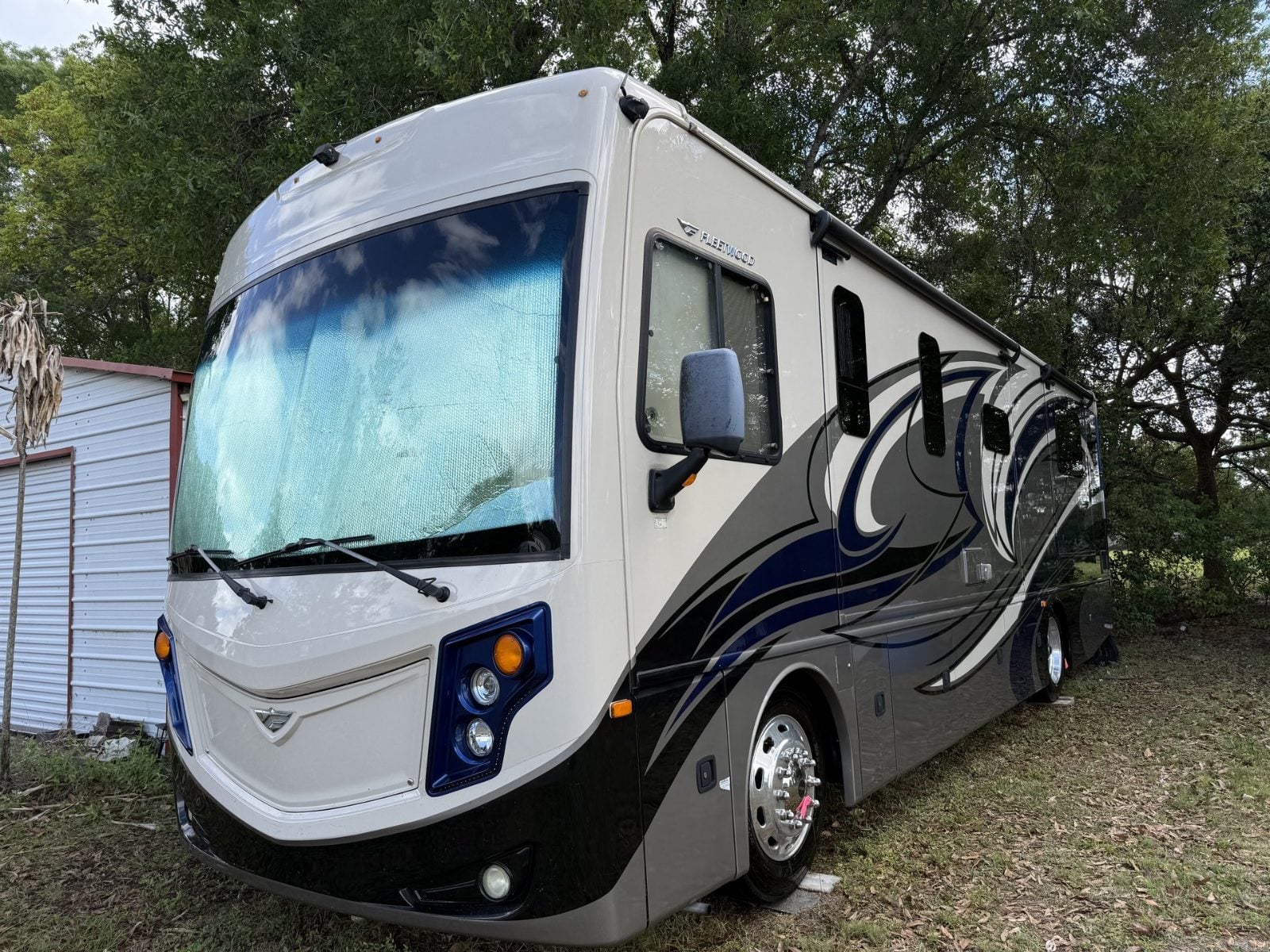
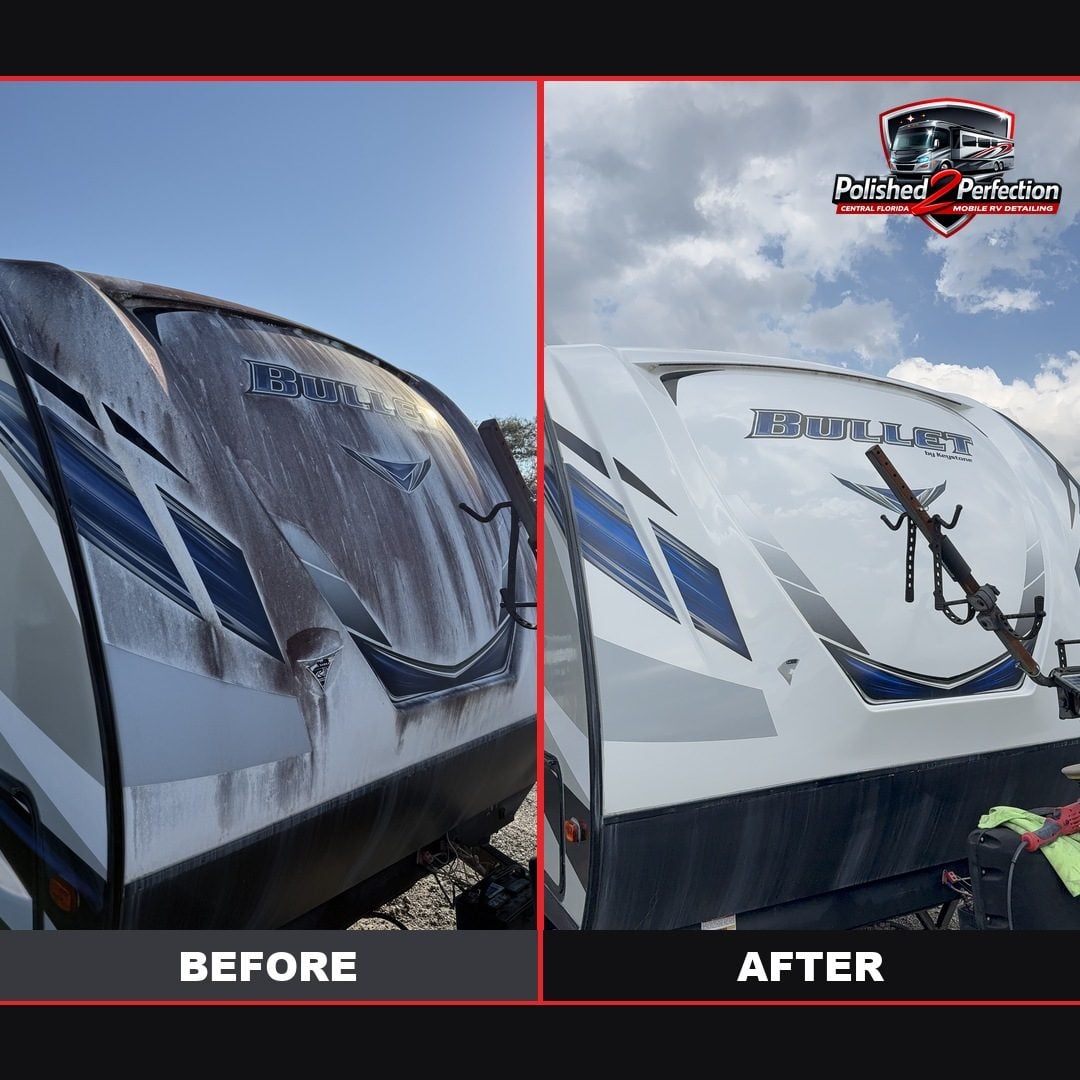
None of this needs a shop. We do paint correction on-site at your home or office, on modern cars, classics and sports cars, and we correct boats and RVs too.
If you’re seeing swirls in your own paint, call (407) 955-0539 for a free estimate, or look over our paint correction packages.
Frequently asked questions
What is paint correction?
Machine polishing that removes a thin layer of clear coat to level swirl marks, light scratches and water-spot etching, restoring gloss and clarity.
Does paint correction remove all scratches?
No. It removes defects within the clear coat. Scratches deep enough to catch a fingernail, rock chips and peeling clear coat need paint repair instead.
Should I get paint correction before a ceramic coating?
Yes, in most cases. A coating seals in whatever is underneath it, so correcting first means you’re protecting clean paint rather than locking in swirls.
Can paint correction be done at my house?
Yes. We’re fully mobile and perform paint correction on-site across Orlando and Central Florida.
Owner, Polished 2 Perfection Mobile Detailing
Jason runs Polished 2 Perfection, a mobile auto, RV and marine detailing service based in Central Florida. His team polishes and protects paint on-site across Orlando, Ocala, The Villages, Deltona and Tampa.